Scenic Fabrication Techniques Every Designer Should Know
Introduction: The Role of Scenic Fabrication in Design
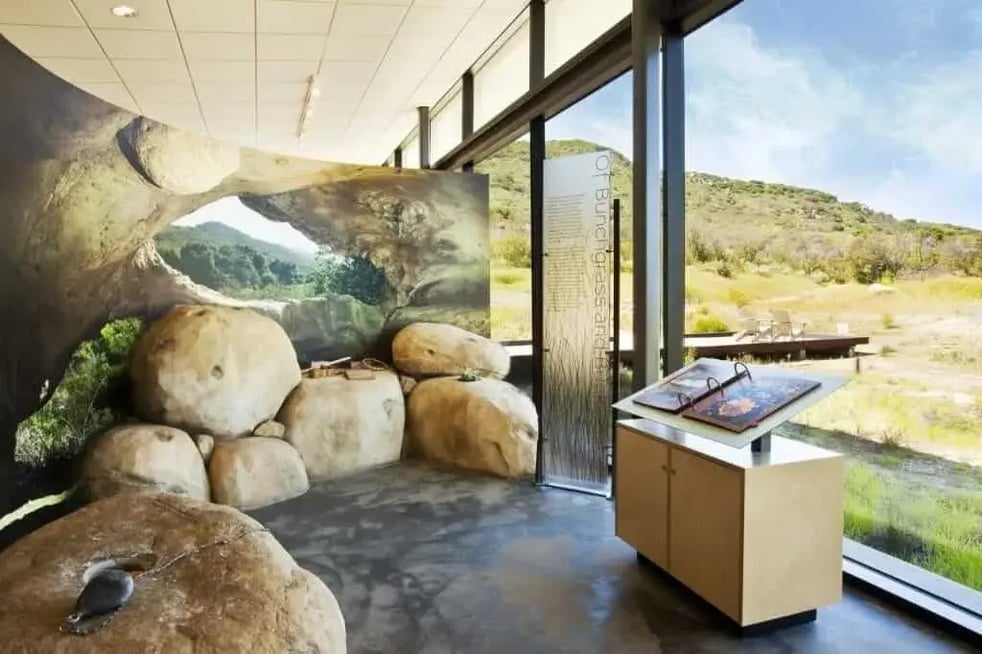
Scenic fabrication is the art and science of creating physical environments for theater, film, television, exhibitions, and events. It transforms artistic concepts into tangible, immersive experiences. Every designer must understand the key fabrication techniques to ensure sets are visually striking, functional, and safe. Whether you’re building a small stage set or a large theme park attraction, mastering these techniques is essential for bringing creative visions to life.
1. Material Selection: The Foundation of Scenic Fabrication
Choosing the Right Materials
Selecting materials is the first step in any fabrication project. Designers must balance strength, weight, durability, and appearance. Common materials include wood, foam, metals, plastics, and fabrics. Wood and metal are ideal for structural support, while foam and plastics allow for lightweight, intricate detailing.
Eco-Friendly Materials
Modern scenic fabrication increasingly uses sustainable or recyclable materials, such as reclaimed wood, recycled plastics, or biodegradable composites. These materials help reduce environmental impact while still achieving high-quality results.
2. Cutting and Shaping Techniques
Traditional Hand Tools
For smaller or intricate projects, hand tools such as saws, chisels, and files are used to cut and shape materials. These tools allow for precise detailing in elements like props, trim, or decorative features.
CNC and Laser Cutting
Advanced fabrication often employs CNC routers and laser cutters, enabling designers to create complex shapes quickly and accurately. These technologies are especially useful for repetitive patterns, large-scale pieces, or highly detailed designs.
3. Joining and Assembly Techniques
Mechanical Fastening
For structural stability, screws, bolts, and brackets are used to join heavy or load-bearing pieces. Mechanical fastening ensures long-term durability and safety of scenic elements.
Adhesives and Bonding
For lightweight or decorative components, adhesives like epoxy or hot glue are often used. This method maintains a clean aesthetic while securely attaching pieces.
4. Surface Finishing and Texturing
Painting Techniques
Painting is critical for achieving realistic and visually appealing surfaces. Designers use brushes, rollers, airbrushes, and spray guns to create textures, gradients, and effects such as wood grain, stone, or metal patinas.
Protective Coatings
After painting, applying sealants or protective coatings ensures that the surfaces are durable, water-resistant, and resistant to wear, particularly for outdoor sets or high-traffic areas.
5. Sculpting and Mold Making
Foam and Clay Sculpting
Foam and clay are versatile materials for creating intricate 3D shapes, such as rocks, architectural elements, or props. Sculpting allows designers to add realistic texture and detail.
Molding and Casting
Molding enables designers to replicate intricate pieces efficiently. Using plaster, resin, or silicone molds, multiple identical components can be produced, saving time and ensuring consistency across the set.
6. Mechanical and Moving Set Elements
Pulleys, Tracks, and Wheels
Scenic sets often include moving components that rely on mechanical systems like pulleys, tracks, and wheels. These allow for smooth scene changes, dynamic stage effects, or moving props during performances.
Automation and Electronics
Modern sets may include motorized or sensor-controlled elements, adding interactivity or precise movement. Automation can enhance audience engagement and create high-tech, immersive experiences.
7. Safety Considerations in Scenic Fabrication
Structural Integrity
All scenic pieces must be engineered to support weight, movement, and repeated use. Collaboration with engineers ensures that the set is stable and safe for performers and audience members.
Fire Safety and Regulations
Materials must comply with fire safety standards, especially in theaters and public spaces. Using flame-retardant fabrics, paints, and coatings is crucial to prevent hazards.
Conclusion: Mastering Scenic Fabrication Techniques
Scenic fabrication combines creativity, craftsmanship, and technical skill. From selecting the right materials to cutting, joining, texturing, sculpting, and incorporating mechanical elements, every technique plays a critical role in bringing designs to life. By mastering these techniques, designers can create immersive, functional, and visually stunning environments that captivate audiences across theater, film, events, and themed attractions.